Industry

Automotive - Events

Client

Royal Enfield

Improved Motoverse page flow, increasing engagement and booking success by 30%.

Overview & Challenge

Adventure & fun behind the off road adventure

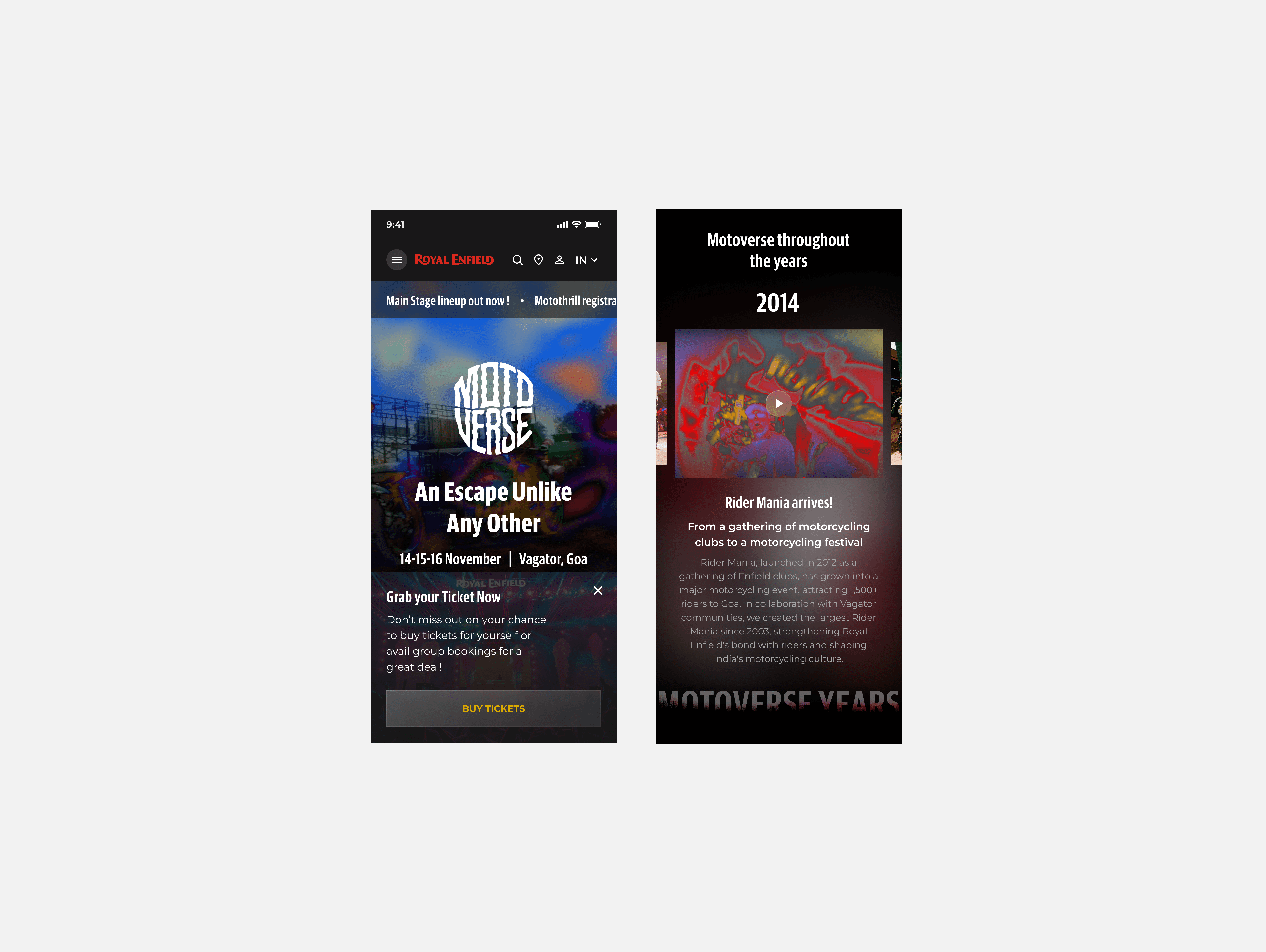
Motoverse is India’s motorcycling festival in Goa — a vibrant celebration of motorcycle, adventure, music, food, and culture. A place where riders and enthusiasts unite for unforgettable experiences on and off the road. The goal is to capture and convey the true spirit of Motoverse — celebrating the adventure, activities, and excitement that await enthusiasts at the event. Given Royal Enfield's vast design ecosystem, which includes a range of existing modules and components, we have crafted the Motoverse page by thoughtfully integrating these elements while also creating new components that align with the theme. Each section has been designed to be visually engaging and meaningful, ensuring it reflects the essence of the experience it represents. One of the biggest challenges was completing the project within a dedicated timeline and deliver it to the developers so that it can go live as soon as possible. Along with this, the client wanted a templatised approach that could be reused and easily updated every year, reducing the time and effort required to create the experience from scratch while maintaining a consistent design system and overall brand experience.

Process

Explored other event pages, competitive analysis, followed by usability testing of the existing experience. Turned these insights into a focused redesign.

Once we received the BRD and client requirements, we started by analyzing the existing page to identify usability gaps and opportunities for improvement. The existing experience felt relatively static and informational, with limited visual movement or micro-interactions. While it communicated key event details and showcased past glimpses, the overall experience lacked the energy and excitement expected from a major event. It didn’t create enough curiosity, anticipation, or hype around the event.

To understand how we could elevate the experience, we conducted a competitive analysis of leading global events such as Lollapalooza, Tomorrowland, and other major event platforms. We studied their page structures, storytelling techniques, interactions, and user journeys to identify industry best practices and opportunities to create a more engaging experience.

We then brought these findings together through team discussions, using the insights to shape a more dynamic, intuitive, and engaging user flow for the redesigned page.

We decided to structure the webpage into four distinct stages, allowing the experience to evolve alongside the event. The idea was to progressively reveal new sections and content at each stage, keeping the page fresh, dynamic, and aligned with the event’s journey—from building anticipation to the event itself and beyond.

Stage 1 - Super Early Bird

Super Early Bird is the first stage, going live 5–6 months before the event. At this point, the goal is to build awareness, excitement, and curiosity around what’s coming. The page introduces the event through key highlights, past-year experiences, galleries, blogs, and testimonials—giving visitors a glimpse of the scale, energy, and experience they can expect. Rather than simply presenting information, this stage focuses on building anticipation and creating the desire to be part of the event.

Stage 1 - Super Early Bird

Super Early Bird is the first stage, going live 5–6 months before the event. At this point, the goal is to build awareness, excitement, and curiosity around what’s coming. The page introduces the event through key highlights, past-year experiences, galleries, blogs, and testimonials—giving visitors a glimpse of the scale, energy, and experience they can expect. Rather than simply presenting information, this stage focuses on building anticipation and creating the desire to be part of the event.

Stage 2 - Early Bird

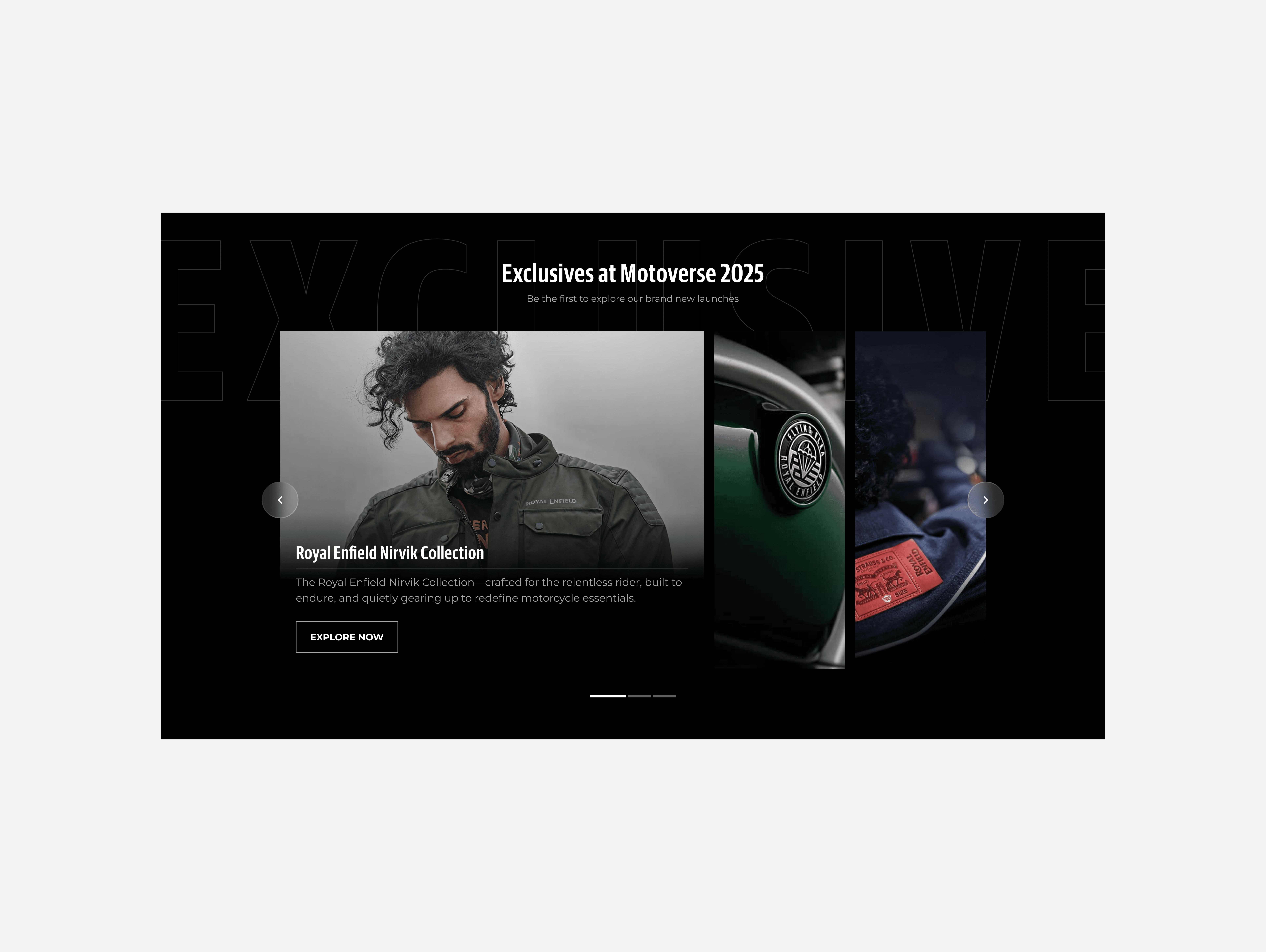
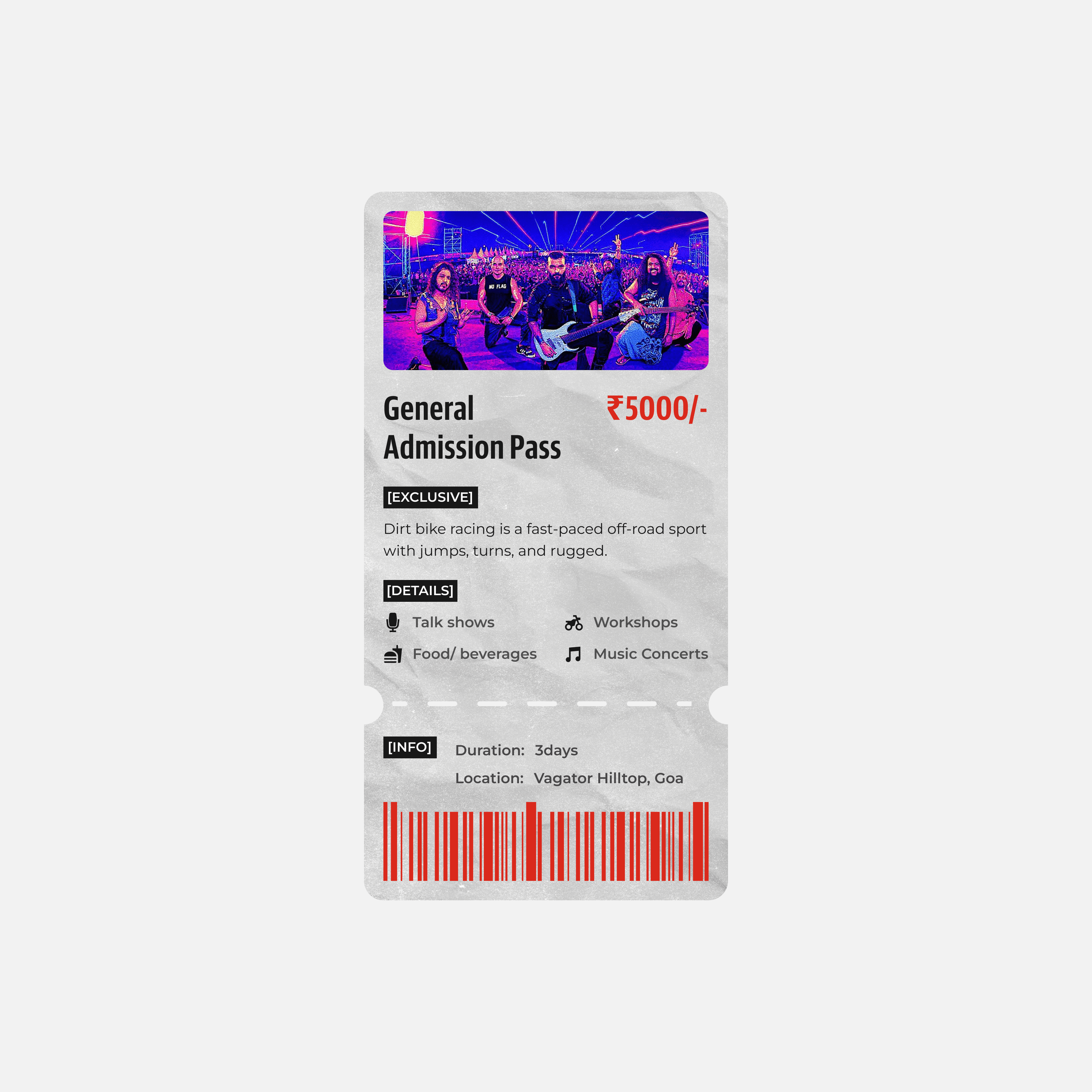
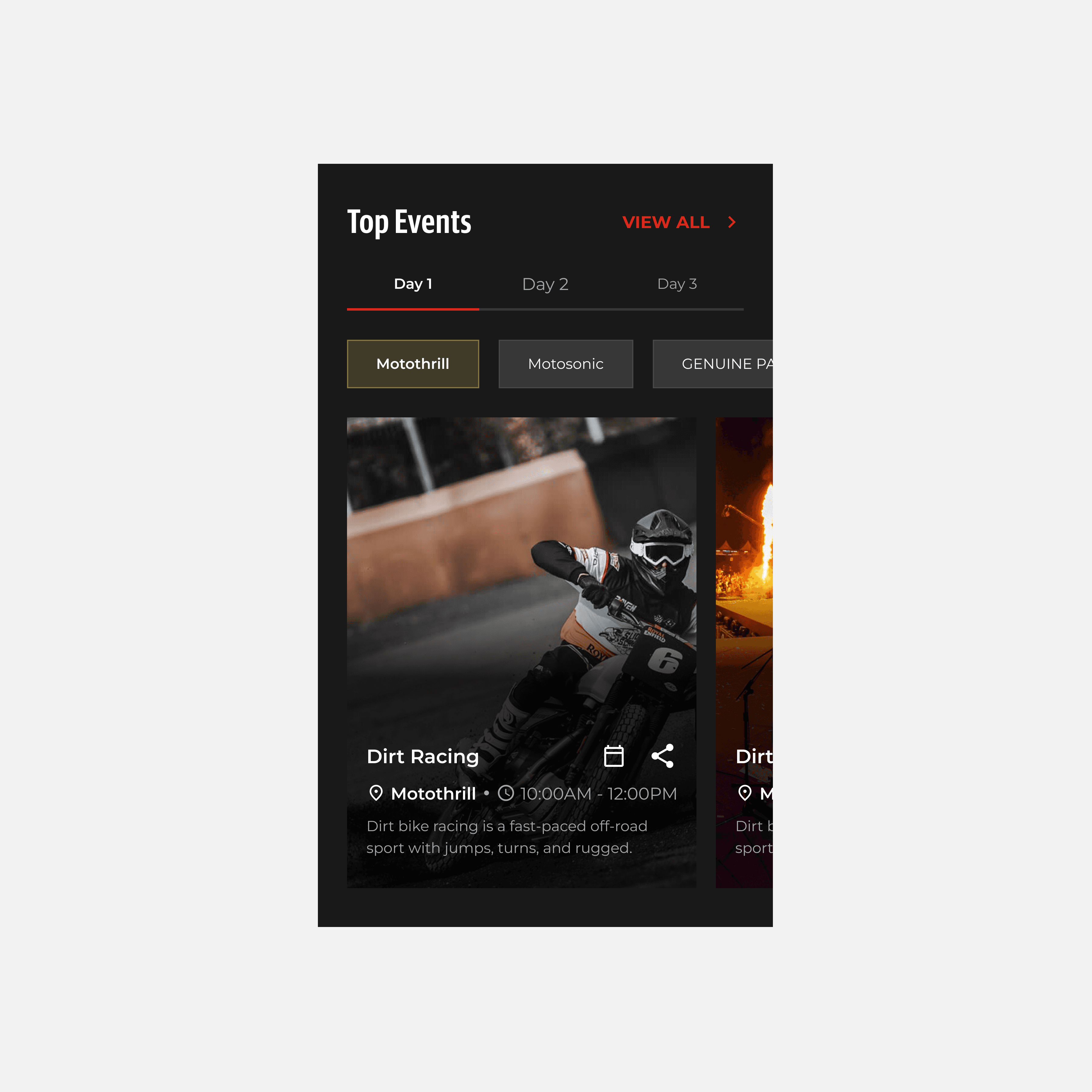
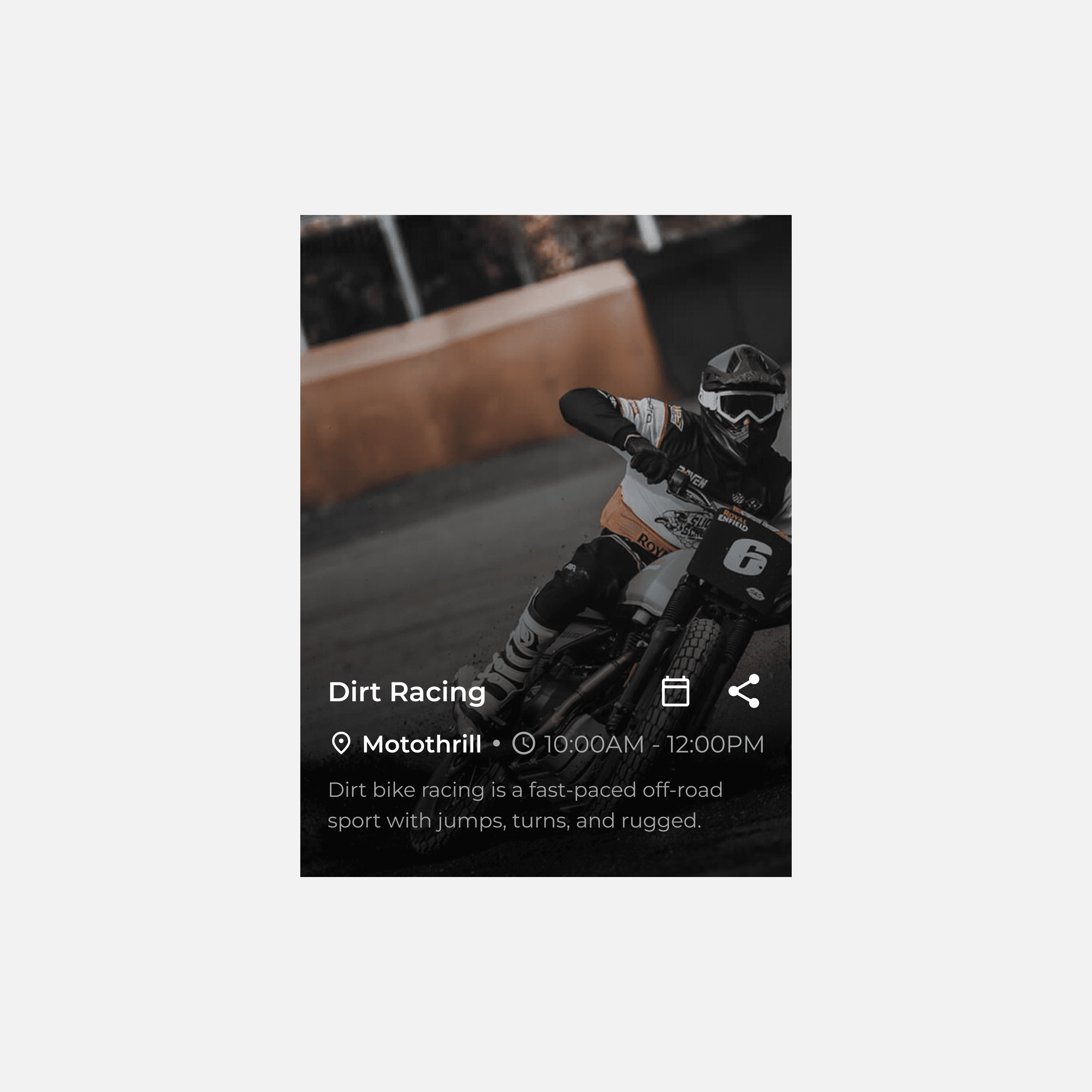
Early Bird is the second stage. At this stage, new sections will be introduced, such as the Registration Form / Event Pass, events that are going to unfold inside Motoverse, daywise event calender or schedule, and things you can expect and experiences that go beyond the event. The idea is to not just talk about the event, but give users a broader perspective of the overall Motoverse experience. Sections like “Ride to Motoverse” will allow users to create or join rides to Motoverse, while “Discover Goa” will help users explore the city where the event is happening and discover what more they can experience beyond the event itself. We will also introduce cross-linking sections to other services, encouraging users to explore more within the ecosystem. Together, these sections create a complete flow that hooks and engages users, builds excitement around the experience, and gradually guides them towards the booking flow.

Stage 2 - Early Bird

Early Bird is the second stage. At this stage, new sections will be introduced, such as the Registration Form / Event Pass, events that are going to unfold inside Motoverse, daywise event calender or schedule, and things you can expect and experiences that go beyond the event. The idea is to not just talk about the event, but give users a broader perspective of the overall Motoverse experience. Sections like “Ride to Motoverse” will allow users to create or join rides to Motoverse, while “Discover Goa” will help users explore the city where the event is happening and discover what more they can experience beyond the event itself. We will also introduce cross-linking sections to other services, encouraging users to explore more within the ecosystem. Together, these sections create a complete flow that hooks and engages users, builds excitement around the experience, and gradually guides them towards the booking flow.

Stage 3 - During Motoverse

This stage is somewhat similar to Stage 2, with no major new sections being introduced. Instead, the existing sections will evolve based on event flow. For example, the events section will gradually shift to show the latest daily line-ups and schedules, with the content reducing or changing according to the days left. Similarly, the Gallery will keep getting updated with the latest captures, giving users a fresh look at what’s happening and still building excitement during the event. The focus at this stage is to keep the page fresh, relevant, and engaging.

Stage 3 - During Motoverse

This stage is somewhat similar to Stage 2, with no major new sections being introduced. Instead, the existing sections will evolve based on event flow. For example, the events section will gradually shift to show the latest daily line-ups and schedules, with the content reducing or changing according to the days left. Similarly, the Gallery will keep getting updated with the latest captures, giving users a fresh look at what’s happening and still building excitement during the event. The focus at this stage is to keep the page fresh, relevant, and engaging.

Stage 4 - Post Motoverse

Post Motoverse is the final stage, focused on keeping the energy of the event alive even after it has ended. The goal is to showcase how grand the event was through different mediums like galleries, testimonials, blogs, and event highlights. These experiences will give users a glimpse of what happened and help bring the energy of Motoverse to life for those who couldn’t be there. The idea is to ensure that even after the event ends, the curiosity and hype around Motoverse continue—encouraging existing users to come back next year while also creating interest among new users for the upcoming edition.

Stage 4 - Post Motoverse

Post Motoverse is the final stage, focused on keeping the energy of the event alive even after it has ended. The goal is to showcase how grand the event was through different mediums like galleries, testimonials, blogs, and event highlights. These experiences will give users a glimpse of what happened and help bring the energy of Motoverse to life for those who couldn’t be there. The idea is to ensure that even after the event ends, the curiosity and hype around Motoverse continue—encouraging existing users to come back next year while also creating interest among new users for the upcoming edition.

Large Project Gallery Image #1
Large Project Gallery Image #2

Beyond Motoverse

Explore the city which captures all the fun & adventure

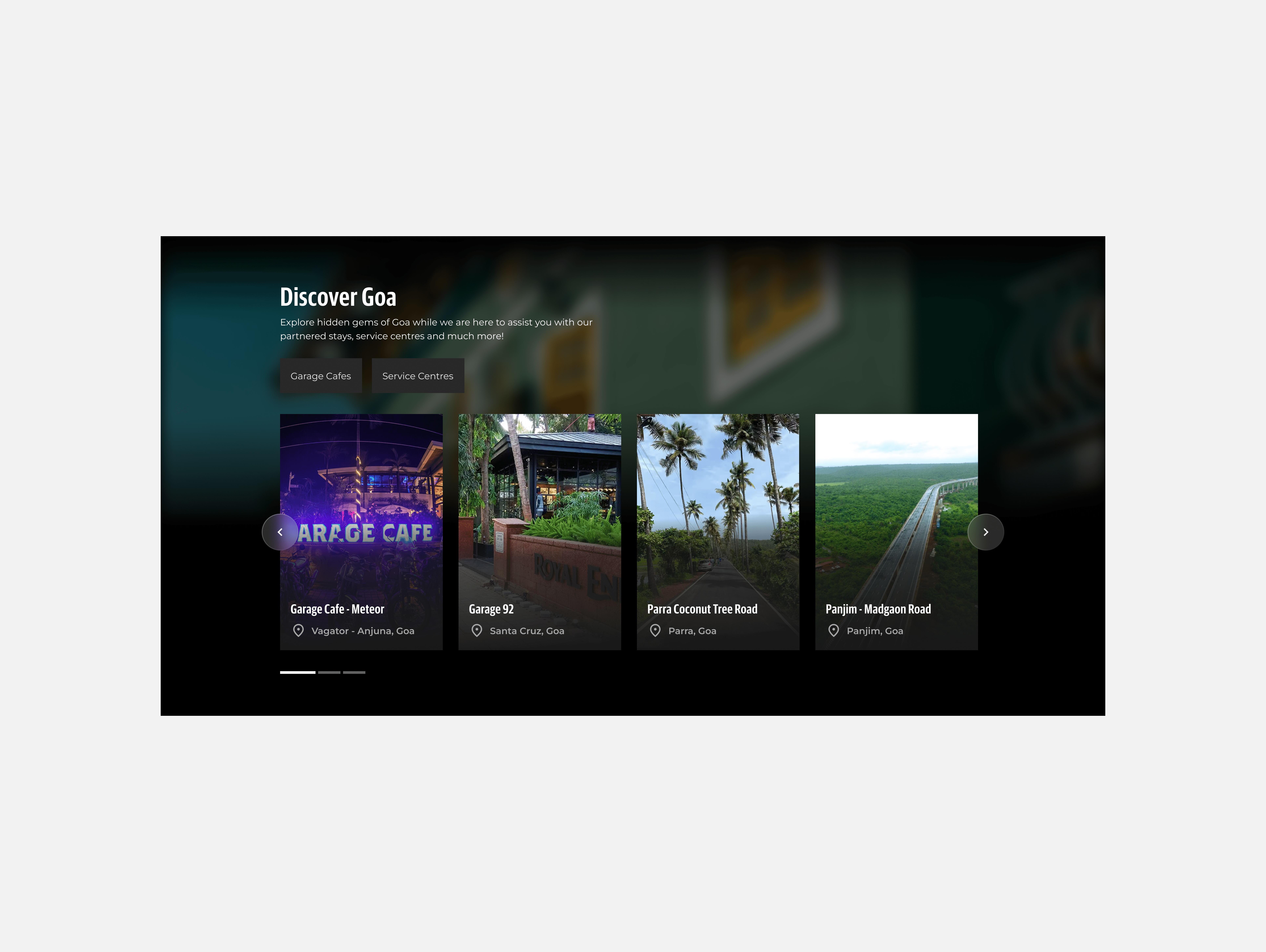
The page isn’t just about the event and its activities — it also celebrates the vibrant city of Goa itself.

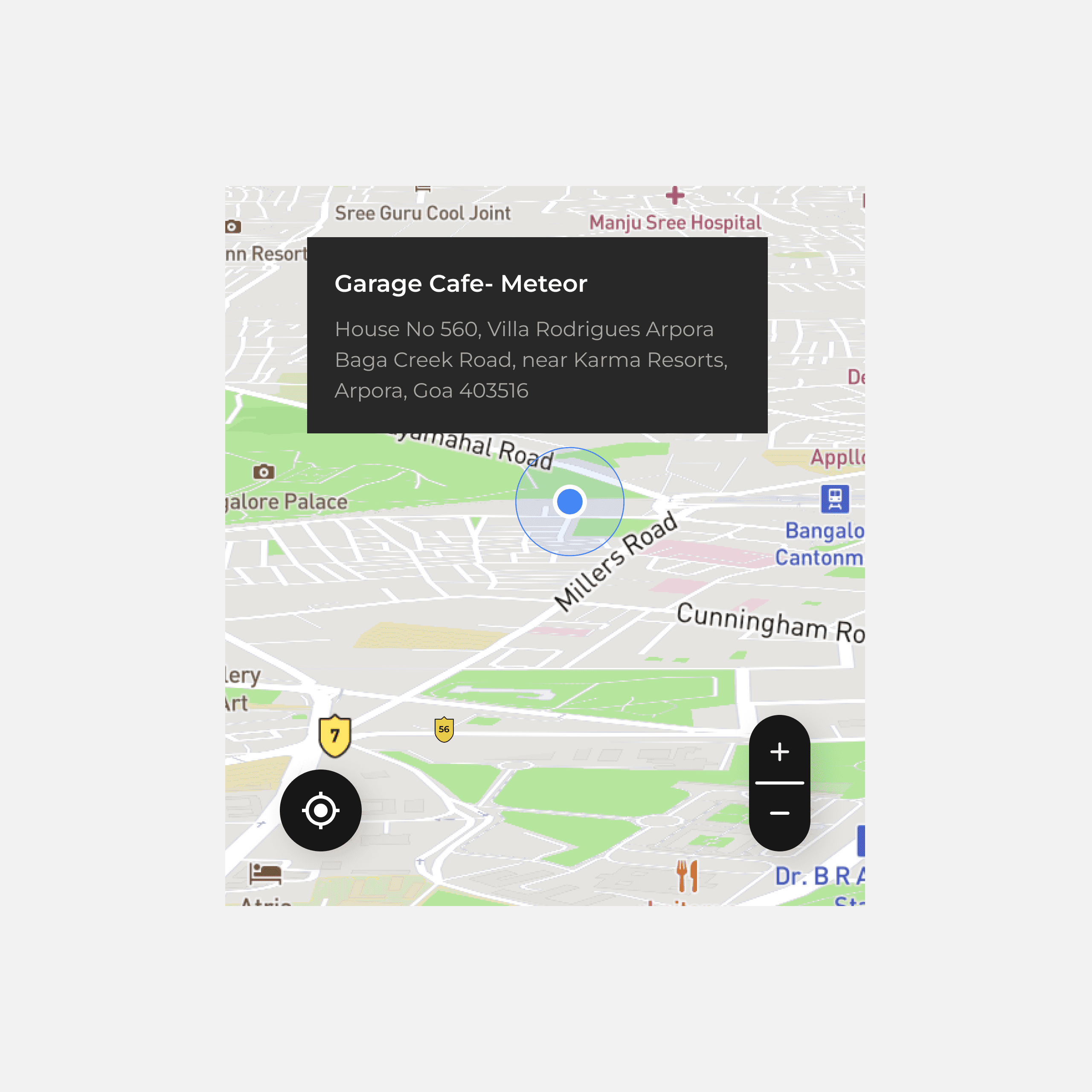
That’s why we’ve added a dedicated “Discover Goa” section. Instead of limiting users to event details, this space invites users to explore the city’s most iconic spots, hidden gems, and local experiences, so users can truly soak in the spirit of Goa beyond the event.

Large Project Gallery Image #4
Large Project Gallery Image #5

Final Output

Revamped the page from 0 to 1 in under 6 weeks, elevating the visual experience and streamlining the user journey.

Once the page flow was finalized, we mapped out the user journey and booking flow, ensuring that each step naturally guide users towards conversion. We then moved from wireframing to the final UI, gradually bringing the experience to life. Before moving into the UI, we explored different sources of inspiration for section layouts and interactions. The goal was to give each section a clean yet interactive look—making the experience feel engaging while keeping the structure flexible and easy to update when needed. Royal Enfield already had a well-established design system and component library, which we followed to maintain consistency across the page and the broader website experience. At the same time, we introduced a few new components and layouts specifically for the Motoverse page. Since Motoverse is a different vertical from the existing experiences, these new elements helped give it a distinct identity while making the overall experience more dynamic and engaging.

increase in form completion rate after page redesign

increase in form completion rate after page redesign

28%

Average time on page increased by

Average time on page increased by

38%

task success rate in usability testing

task success rate in usability testing

90%

Create a free website with Framer, the website builder loved by startups, designers and agencies.